Zanzibar
917,000 Arrivals, Endless Horizons — The Indian Ocean's Crown Jewel
Zanzibar: Where History, Spice, and Ocean Converge
Zanzibar recorded 917,167 international arrivals in 2025 — a landmark figure that confirms its rise as a top global destination. Tourism now contributes roughly 30% of the island's GDP. Yet for all its numbers, Zanzibar retains an intimate, layered character: a fusion of African, Arab, Indian, and Portuguese cultures distilled into carved wooden doors, spice-scented alleyways, and coastlines of surreal clarity.
Choosing Your Beach: The Essential Tide Guide
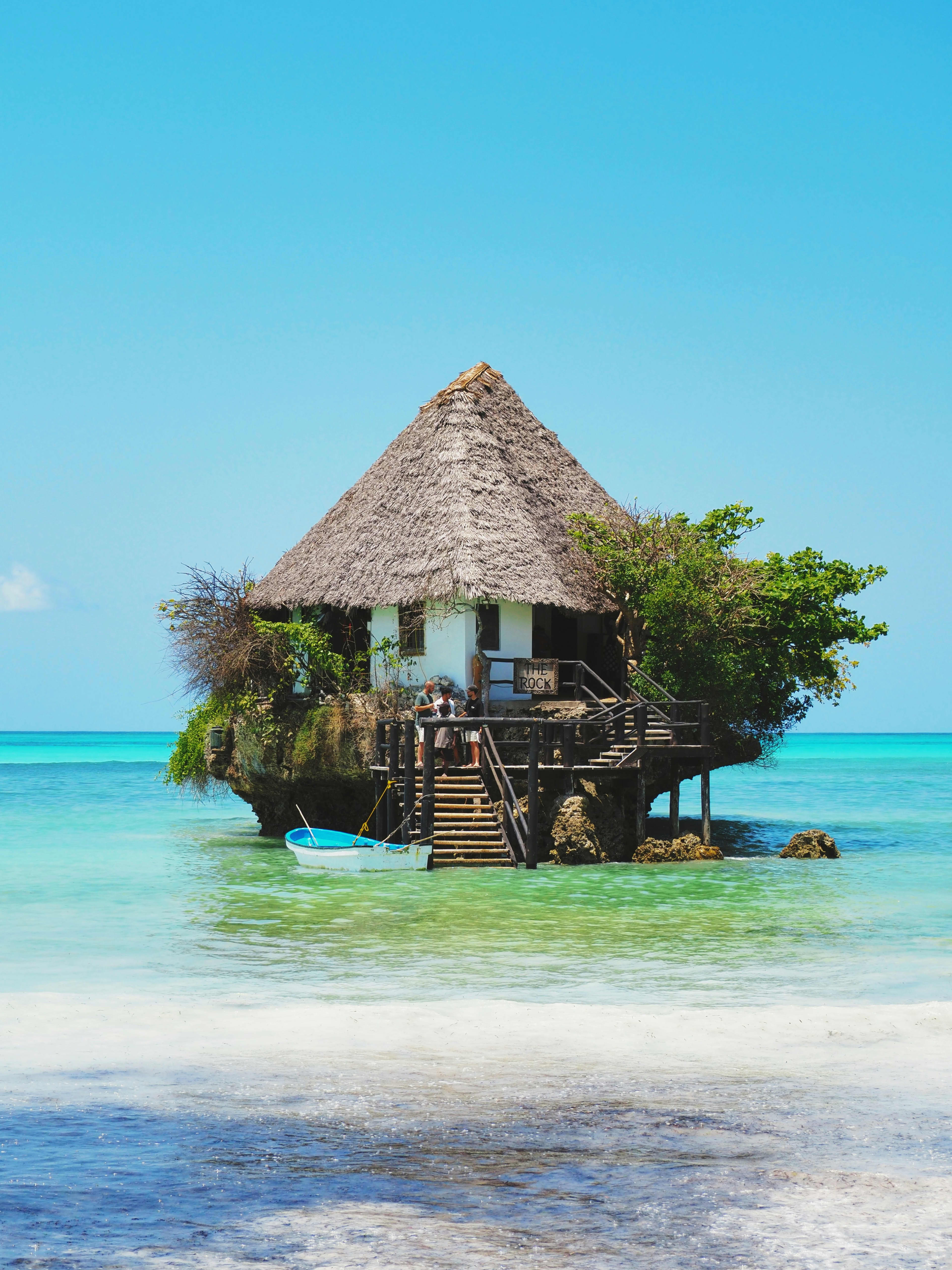
The single most critical decision for a Zanzibar holiday is beach location, because tidal shifts dramatically alter the landscape. The east coast beaches (Paje, Jambiani) experience tides that pull back nearly 1 km, transforming the seabed into a shallow lagoon at low tide — magical for walking but requiring timing for swimming. The north coast (Nungwi, Kendwa) is tide-independent, with deep water swimmable 24 hours a day.
Nungwi (North): Lively, tide-independent, excellent for swimmers. Sunset views are outstanding. Busy with restaurants and nightlife. | Kendwa (Northwest): Calm, upscale, also tide-independent. Kendwa Rocks beach parties are legendary. | Paje (East): The kitesurfing capital of East Africa. Social, bohemian atmosphere. Tide pulls back 1 km but the low-tide lagoon is stunning. | Jambiani (Southeast): Quieter, more authentic. Seaweed farming culture. Big tide swing — timing matters. | Matemwe (Northeast): Gateway to Mnemba Atoll for world-class snorkeling. Peaceful mornings.
Stone Town: A UNESCO Living Heritage
Stone Town is a UNESCO World Heritage Site and the beating heart of Zanzibar's identity. Its labyrinthine streets contain over 50 mosques, Hindu temples, the Christ Church Cathedral (built on the site of the last slave market in East Africa), and the legendary House of Wonders. The carved wooden doors — more than 500 documented — are a defining feature, each one telling a story of the merchant families who once competed for status through the intricacy of their entrances.
Iconic Day Trips from Stone Town
Prison Island (Changuu Island): Once a quarantine station and briefly a prison that was never used, this island is now home to a sanctuary of giant Aldabra tortoises — some over 150 years old. The largest individuals weigh more than 250 kg. The tortoises are remarkably interactive and can be hand-fed under ranger supervision.
Nakupenda Sandbank: A pristine white-sand strip that appears and retreats with the tide, located 15 minutes by boat from Stone Town. Ideal for snorkeling the surrounding reef, a freshly caught seafood lunch on the sand, and photographs that defy belief. Visit in the morning at low-to-mid tide for maximum sandbank exposure.
Jozani Forest: The last remnant of Zanzibar's indigenous forest, home to the critically endangered Zanzibar red colobus monkey — found nowhere else on earth. The forest also shelters Aders' duiker, elephant shrews, and over 40 bird species.
The Spice Legacy
Zanzibar earned the name 'Spice Island' for good reason. Cloves, cinnamon, nutmeg, black pepper, cardamom, and vanilla all grow here. Spice tours take visitors through working plantations where they can hand-pick cloves from towering trees, peel cinnamon bark directly from the trunk, and discover the unique 'split' of the nutmeg fruit — which produces both the spice and the mace that wraps around it. The tours also cover medicinal plants used in traditional Swahili medicine.
The Culinary Landscape
Zanzibar's food is a direct expression of its trade history. 'Pilau' — clove-spiced rice — is the cornerstone dish of Swahili cuisine. 'Mishkaki' (marinated meat skewers grilled over charcoal), 'Urojo' (Zanzibar mix, a tangy tamarind soup with bhajias and cassava chips), and fresh seafood prepared with coconut milk define the local table. Forodhani Night Market at the waterfront in Stone Town is the essential evening food experience.
Things to Do
Best Time to Visit
June to October (the 'Kaskazi' dry season) and December to February for the best beach weather — clear skies, calm seas, and reliable sunshine. March to May brings the long rains and is low season. October to November (short rains) sees brief afternoon showers but lush landscapes and far fewer tourists. Avoid April for beach holidays.
Climate
Tropical oceanic climate. Peak season (June–October): dry, sunny, 26–30°C with southeast trade winds — ideal beach weather. December–February: warm and mostly dry, 28–32°C. March–May: long rains (heaviest in April). October–November: short rains. Water temperature averages 26–29°C year-round, making it excellent for snorkeling and diving in all seasons.