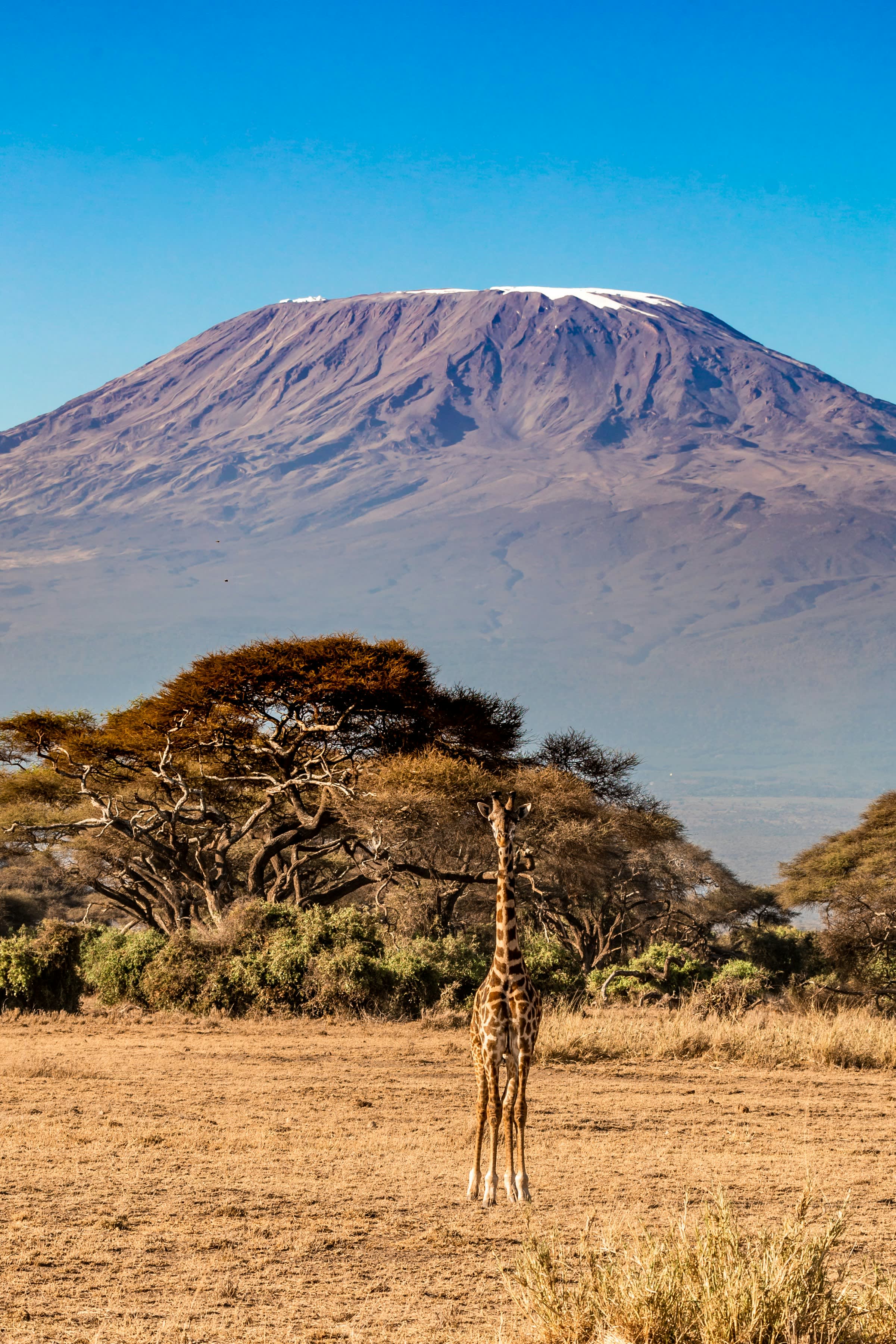
Kilimanjaro
5,895 Metres. 49% Oxygen. Africa's Ultimate Summit.
Kilimanjaro: The Roof of Africa
At 5,895 metres above sea level, Mount Kilimanjaro is Africa's highest peak and the world's highest free-standing mountain. It attracts approximately 50,000 climbers annually. Unlike technical Himalayan peaks, Kilimanjaro requires no ropes or mountaineering experience — but the physiological challenge of altitude is absolute. At Uhuru Peak, climbers breathe with only 49% of the oxygen available at sea level. The single greatest variable for summit success is trek duration, which allows for gradual physiological adaptation.
Route Success Rates (2025 Data)
Northern Circuit (9 days) — 95%+: The 'Rolls-Royce' of routes. The longest and most gradual ascent, circumnavigating nearly the entire mountain for maximum acclimatization. The highest success rate and the most diverse scenery. Ideal for those who want the best possible odds.
Lemosho (8 days) — 90–95%: The 'Golden Standard' for high-end trekking. Begins on the remote western face, passing through pristine montane forest before joining the Southern Circuit. Outstanding scenery and excellent acclimatization profile.
Machame (7 days) — 85–90%: The 'Whiskey Route.' The most popular route offering a good balance of scenery, acclimatization, and success rate. Passes through several distinct ecological zones including heathland, moorland, and alpine desert.
Rongai (7 days) — 85–90%: The only route that approaches from the north (Kenyan side). Drier, quieter, and less crowded. A strong alternative for those who have already done Machame.
Marangu (6 days) — 50–65%: The only route with hut accommodation. Often chosen for comfort, but the shorter duration and lack of 'climb high, sleep low' opportunities severely limit acclimatization. The most popular route historically, but with the lowest success rates.
Umbwe (6 days) — Under 50%: The steepest and most direct ascent. Extremely challenging acclimatization profile. Only recommended for experienced high-altitude trekkers.
The Science of Altitude
Acute Mountain Sickness (AMS) affects trekkers of all fitness levels — marathon runners are not immune. The symptoms (headache, nausea, fatigue, dizziness) are the body's response to reduced oxygen. The 'Pole Pole' (slowly, slowly) philosophy is not cultural — it is physiological. Institutional records show that older climbers (40–60) often outperform younger trekkers (20–30) due to better pacing discipline. Every extra day on the mountain statistically improves your summit success rate by approximately 25%.
TANAPA Park Fees 2025–2026
All fees are charged on a strict 24-hour basis by Tanzania National Parks (TANAPA). For a 7-day camping climb, mandatory fees total approximately USD 970–1,150 per person: Conservation/Entry Fee USD 70/day | Camping Fee USD 50/night | Rescue Fee USD 20 (one-time) | Forest Fee USD 20 (one-time) | VAT 18% on all services. Every additional day costs approximately USD 200–300 but statistically improves success rates significantly.
Climate Change on Kilimanjaro
Kilimanjaro's glaciers are retreating at an alarming rate. Field campaigns in January 2025 reported that higher elevations are warming twice as fast as lower sites. The ice fields that have capped the summit for millennia have lost over 85% of their coverage since 1912. Scientists predict the remaining glaciers could disappear entirely within decades. Witnessing them today carries the weight of witnessing something irreplaceable — and underscores the urgency of responsible tourism.
Things to Do
Best Time to Visit
January to March (warm, clear, less crowded) and June to October (cool, dry, excellent visibility from the summit). December is also a popular shoulder month. Avoid April and May (long rains) and November (short rains) as trails become muddy and summit views are frequently obscured.
Climate
Five distinct climate zones from base to summit: cultivated lower slopes (warm, humid), montane forest (cool, mossy, frequent cloud), heathland/moorland (3,000–4,000m, cooler with heather), alpine desert (4,000–5,000m, freezing nights, strong UV), and arctic summit zone (below -10°C at night, high winds). Pack for all seasons simultaneously.