Tarangire
Africa's Best-Kept Secret — Ancient Baobabs and 300-Strong Elephant Herds
Tarangire: Tanzania's Underrated Masterpiece
Tarangire National Park covers approximately 2,850 square kilometres of extraordinary semi-arid landscape in northern Tanzania. It is defined by two things above all else: the prehistoric skyline of ancient baobab trees — some exceeding 1,500 years in age — and one of Africa's densest elephant populations. For the dry-season visitor (June to October), Tarangire delivers wildlife concentrations that rival the Serengeti, without the crowds.
The Dry-Season Elephant Phenomenon
Tarangire's ecological magic is its seasonal migration. As the Maasai Steppe dries up between June and October, the Tarangire River becomes the only permanent water source for hundreds of kilometres. This draws in tens of thousands of animals from across the region. During peak dry season, elephant herds of up to 300 individuals gather along the river — among the largest aggregations of elephants anywhere in Africa. Witnessing a mega-herd crossing the dusty river plain, backlit by a baobab forest, is a sight without equal.
The Baobabs: Living Architecture
Tarangire's baobab trees are not merely scenery — they are working infrastructure. A single mature baobab can hold up to 120,000 litres of water in its trunk during the dry season. Elephants have learned to exploit this: stripping back the bark with their tusks to access the moist, nutrient-rich pulp beneath. Trees scarred by centuries of elephant use stand as testament to this ancient relationship. The baobab's swollen trunk, bare branches, and longevity (some individuals are estimated at over 2,000 years old) inspired the Malagasy legend that God planted them upside down.
Silale Swamp: A Birdwatcher's Paradise
For ornithologists, Tarangire is arguably the most rewarding park in Tanzania — with over 550 recorded bird species, it surpasses even the Serengeti. The Silale Swamp in the southeastern region remains green year-round and acts as a magnet for extraordinary avian diversity. Over 50 species of raptors inhabit the park, including martial eagles and bateleurs. Endemic species include the yellow-collared lovebird and the ashy starling. Great white pelicans, saddle-billed storks, and African fish eagles congregate around the swamp. Tarangire is one of the few parks in Tanzania where night game drives are permitted at select lodges — revealing genet cats, bush babies, aardvarks, and honey badgers.
Wildlife Beyond Elephants
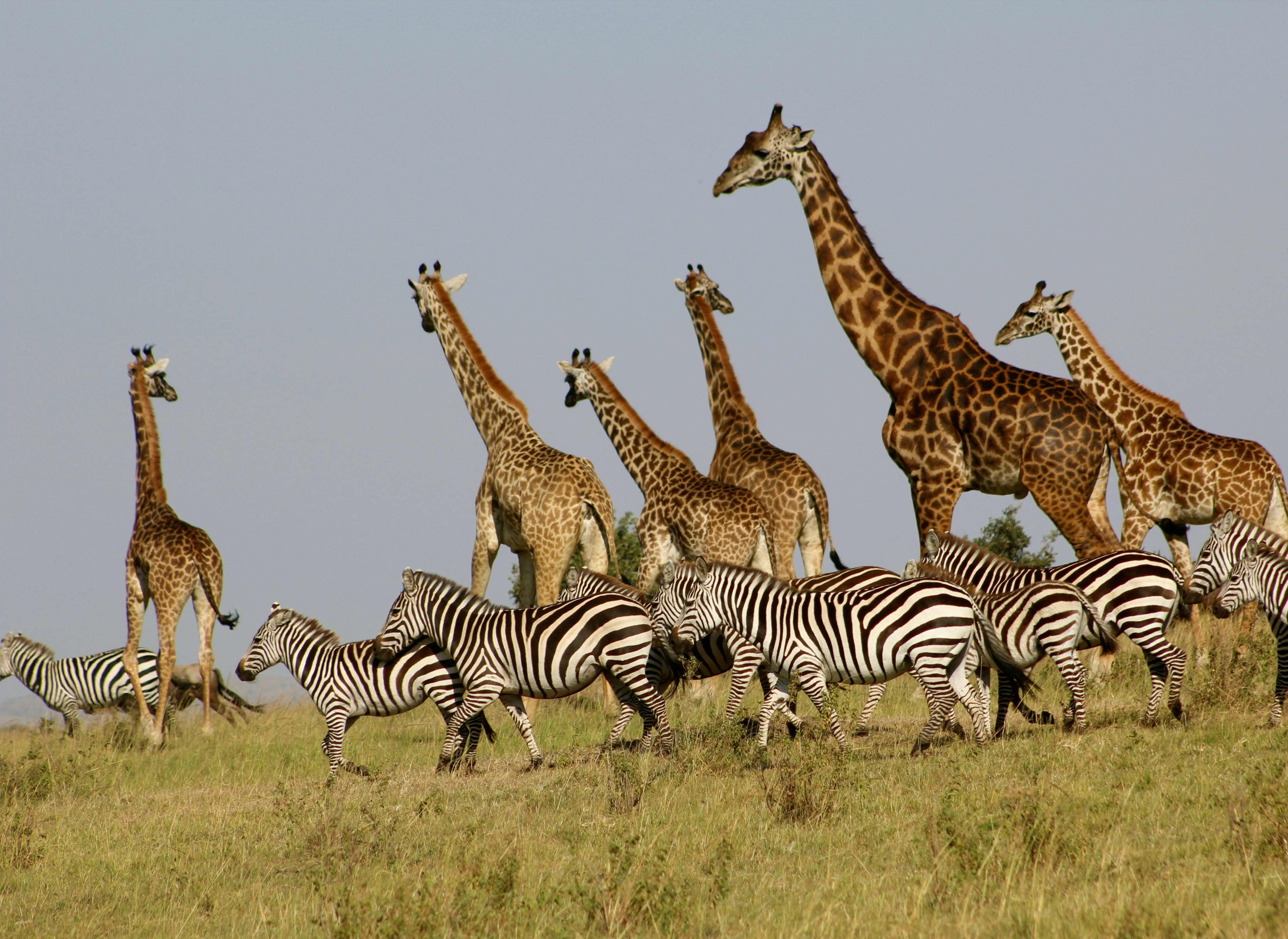
While elephants dominate, Tarangire also shelters one of the world's remaining populations of fringe-eared oryx — the striking straight-horned antelope well-adapted to arid conditions. The park is famous for tree-climbing lions (a rare behaviour documented in fewer than five locations in Africa), and large prides of lions are regularly encountered along the riverbank. Leopards, buffalo herds, and giraffes are common sightings. Wild dogs — one of Africa's most endangered carnivores — have been recorded passing through.
Things to Do
Best Time to Visit
June to October is peak dry season, when wildlife concentrations around the Tarangire River are at their most spectacular. July and August offer the largest elephant gatherings. November to May brings the green season — the park becomes lush and photogenic, calves are born, and migratory birds arrive, but animals are more dispersed.
Climate
Semi-arid with a pronounced dry season (June–October): hot afternoons (28–34°C), cool mornings, almost no rain. Wet season (November–May): warm and humid with afternoon thunderstorms. The park is most photogenic in the green season but most game-rich in the dry season. Located at 1,100 metres, it is warmer than the highlands around Ngorongoro.