Zanzibar Beach Guide 2025: Which Shore is Right for Your Style?
917,000 visitors came to Zanzibar in 2025 — many of them chose the wrong beach for their needs. Tides dramatically alter the landscape. Here is the definitive local guide.
The Tide Problem Nobody Tells You About
Zanzibar recorded 917,167 international arrivals in 2025. Many of those travellers made the same mistake: they chose a beach based on photographs taken at high tide, arrived at low tide, and found themselves walking half a kilometre across exposed seabed to reach the water. Zanzibar's east coast beaches experience extraordinary tidal swings — the sea can retreat up to one kilometre. This does not make them bad beaches; it makes them different beaches that require different expectations.
The Swim-First Option: North Coast Beaches
For travellers whose priority is swimming on demand — getting into the Indian Ocean whenever the mood takes them, regardless of the time of day — the north coast is the answer. Nungwi and Kendwa sit on a part of the island where the seafloor drops away quickly and tidal fluctuations are minimal.
Nungwi: The most developed and lively of Zanzibar's beaches. Excellent restaurants, beach bars, a traditional dhow-building yard, and extraordinary sunset views. The beach itself is wide and white, with good snorkeling on the nearby reef. A 20-minute taxi ride from Stone Town.
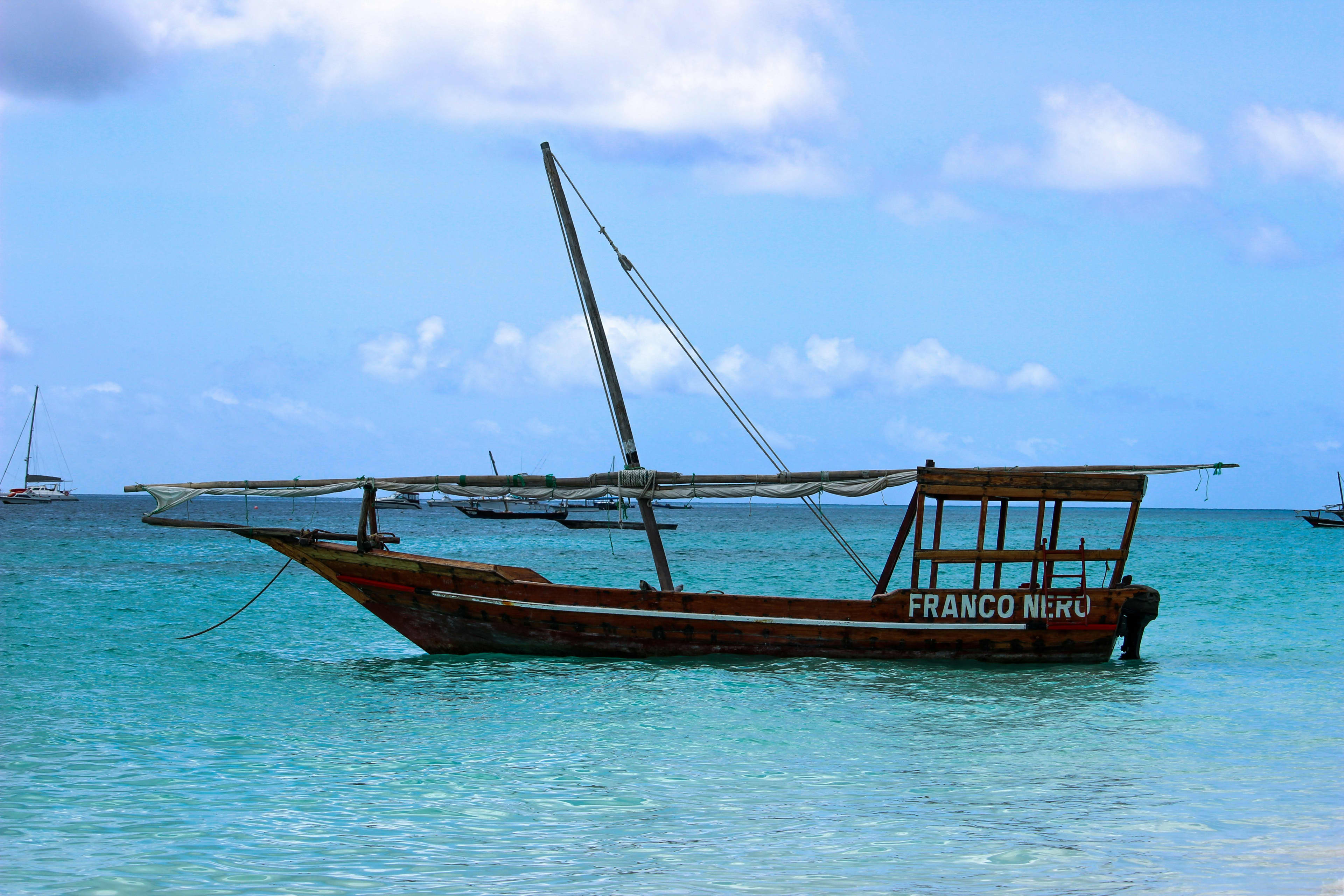
Kendwa: Immediately south of Nungwi, quieter and more upscale. Kendwa Rocks hosts a famous full moon beach party. The sunset from Kendwa looking across to the dhows on the horizon is genuinely spectacular. Slightly less crowded than Nungwi.
The Adventure Option: East Coast Beaches
The east coast's tidal logic creates a unique environment: at high tide, the sea comes right to the beach edge. At low tide, a vast shallow lagoon is exposed — perfect for walking, seaweed farm tours, and exploring the tidal pools. The trick is to time your swims around the high tide.
Paje: The kitesurfing capital of East Africa. When the trade winds blow from June to September, Paje becomes a global destination for kitesurfers. The flat lagoon created by low tide is the ideal training ground. For non-kiters, Paje has a laid-back, bohemian atmosphere with excellent seafood restaurants and interesting beach culture.
Jambiani: Quieter and more authentically Zanzibari. Seaweed farming (a major local industry) is visible at low tide, worked by women in brightly coloured kangas. The pace of life is slow. For travellers who want to experience something closer to local Zanzibar life rather than a resort experience, Jambiani is the recommendation.
The Reef-Access Option: Northeast Coast
Matemwe: The primary base for trips to Mnemba Atoll — arguably the best snorkeling and diving site in the western Indian Ocean. Matemwe itself is a peaceful village beach with resort development. If underwater experiences are your priority, base yourself here.
The Practical Decision
First question: Is swimming on demand essential? → North coast (Nungwi or Kendwa). Second question: Do you want kitesurfing or a social scene? → Paje, east coast. Third question: Is reef access (snorkeling/diving) the priority? → Matemwe, northeast. Fourth question: Do you want quiet authenticity? → Jambiani, southeast.
The ZIC Insurance Requirement
As of late 2024, all visitors to Zanzibar are required to purchase mandatory ZIC (Zanzibar Insurance Corporation) travel insurance at USD 44 per person, regardless of any personal travel insurance already held. This must be paid on arrival. Factor this into your budget.