Beyond the Big Five: Tarangire's Hidden Ecological Treasures
550 bird species. 1,500-year-old baobabs. Elephant herds 300 strong. Tree-climbing lions. Tarangire is Tanzania's most underrated park — and these numbers explain why.
Tanzania's Best-Kept Safari Secret
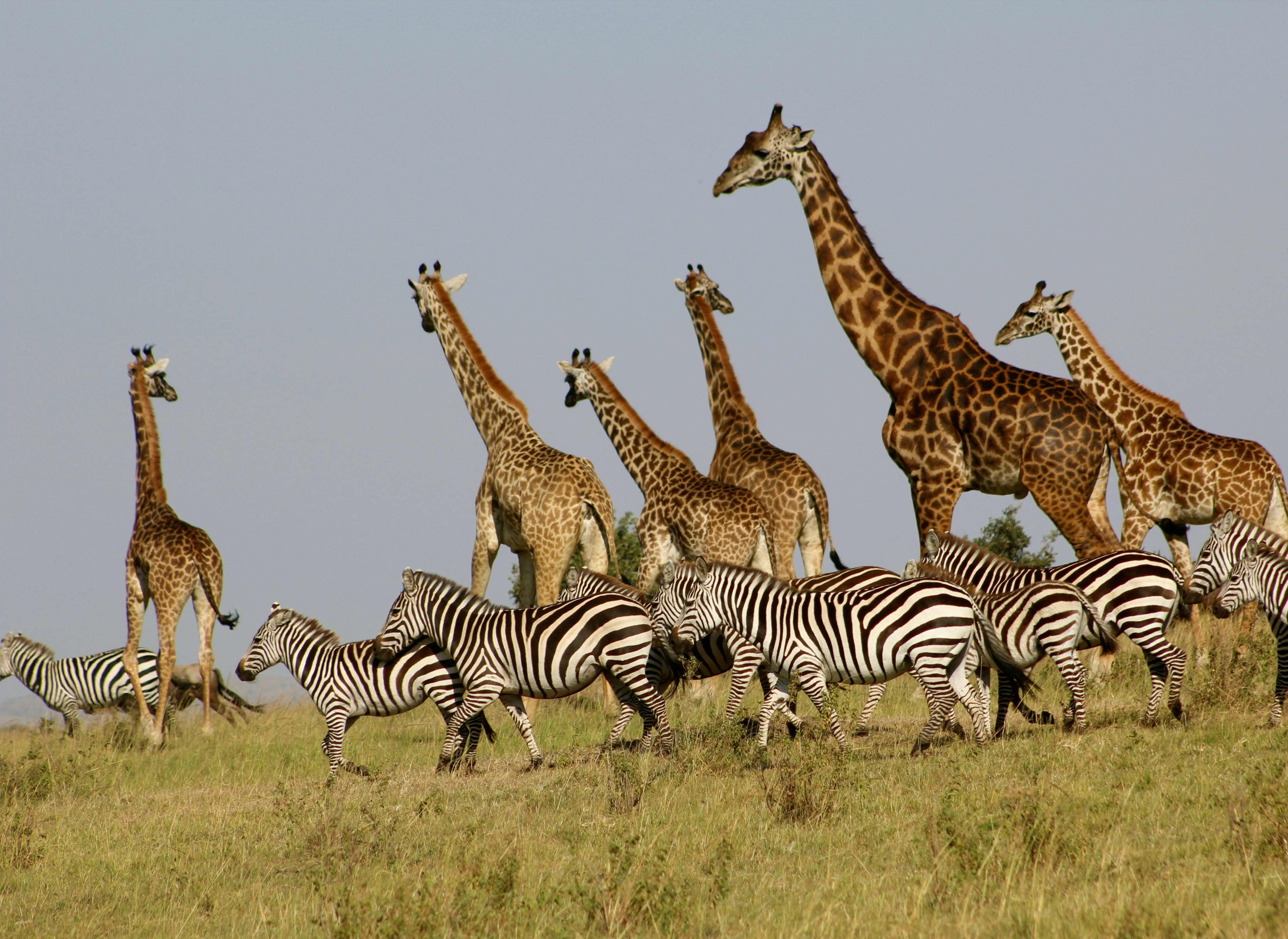
Tarangire National Park lacks the global name recognition of the Serengeti or Ngorongoro. This is, simultaneously, its greatest failing and its greatest asset. Covering 2,850 square kilometres of ancient semi-arid landscape, Tarangire delivers wildlife concentrations in the dry season that rival anything in Africa — but without the crowds. For travellers willing to look beyond the obvious, it is one of the continent's most rewarding destinations.
The Elephant Phenomenon
Between June and October, the Tarangire River becomes the only permanent water source for hundreds of square kilometres of the Maasai Steppe. Elephant herds converge from across the ecosystem, creating aggregations that can reach 300 individuals — among the largest elephant gatherings recorded anywhere in Africa. Watching a mega-herd cross the river at golden hour, with ancient baobabs silhouetted against the orange sky, is a sight that requires no further description.
The Baobabs: 1,500 Years of Survival Strategy
Tarangire's baobab trees are not scenic props — they are functional ecosystems in their own right. A single mature baobab can store up to 120,000 litres of water in its swollen trunk. Elephants have learned to exploit this: they strip back the bark with their tusks to access the moist, nutrient-rich pulp beneath. Trees scarred by centuries of elephant attention are among the most photographed subjects in Tanzanian wildlife photography. Some of Tarangire's baobabs are estimated at 1,500–2,000 years old — they were saplings when the Roman Empire was at its height.
Silale Swamp: Africa's Best Birding Secret
Over 550 bird species have been recorded in Tarangire — more than in the Serengeti. The Silale Swamp in the southeastern sector is the nucleus of this extraordinary avian diversity. The swamp remains green year-round, attracting species from across the ecosystem.
Raptors: Over 50 species of birds of prey inhabit the park, including martial eagles, bateleurs, and Verreaux's eagle owls. | Endemics: Yellow-collared lovebirds and ashy starlings are reliable sightings throughout the park. | Wetland Specialists: Great white pelicans, saddle-billed storks, and African fish eagles concentrate around the Silale Swamp. | Migrants: Numerous Palearctic migrant species arrive between November and April.
Night Drives: Tarangire After Dark
Tarangire is one of only a handful of Tanzanian parks that permits night game drives at select private concessions. After dark, a completely different cast appears: genet cats move through the undergrowth with sinuous efficiency; bush babies — the wide-eyed nocturnal primates — stare down from acacia branches; honey badgers trundle along the road with characteristic fearlessness; and aardvarks — one of Africa's most secretive animals — emerge from their burrows for nightly termite raids. Above all of this, the Milky Way over Tarangire is one of the most spectacular skies in East Africa.
Tree-Climbing Lions: Tarangire's Hidden Gem
Tree-climbing lions are documented in fewer than five locations in Africa — and Tarangire is one of them. It is not fully understood why some lion populations in certain parks have developed this behaviour while others have not. The most likely explanation is thermoregulation and insect avoidance: elevated in a tree, lions benefit from breezes and escape the clouds of insects at ground level. When you spot a lion six metres up a fig tree, staring down at you with magnificent indifference, you will understand why Tarangire earns its 'hidden gem' reputation.
When to Visit
Dry season (June–October): Peak wildlife concentrations. Largest elephant herds. Best game-drive conditions on firm, dry tracks. July and August are the most spectacular months. Green season (November–May): Lush landscapes. Calves everywhere. Extraordinary birding with migratory species present. Animals more dispersed but far fewer tourists — and significant price reductions.